

Relaxed Fit vs Regular Fit: Choose Your Best Style
Relaxed fit and regular fit clothing differ in one measurable way: the amount of fabric ease built into the cut. Regular fit adds a modest amount of ease, creating a balanced, traditional silhouette. Relaxed fit adds 6–8+ inches, prioritizing comfort and airflow throughout the seat, thighs, and chest. Here’s the quick breakdown:
- Fit looseness: Regular is balanced and structured; relaxed is noticeably roomier
- Cut areas affected: Relaxed adds width in the seat, thigh, and chest; regular keeps those areas closer to the body
- Comfort level: Relaxed wins for all-day wear and movement; regular suits controlled, polished settings
- Appearance: Regular reads clean and classic; relaxed reads casual and laid-back
- Typical use cases: Regular for work or going out; relaxed for the rink, the couch, or a long travel day
What defines regular fit clothing?
Regular fit is the default cut for most off-the-rack apparel. It follows the body’s general shape without clinging to it, giving you room to move without excess fabric bunching up. Think of it as the “Goldilocks” of fits: not too tight, not too loose.
Key characteristics:
- Chest ease: 4–6 inches of added room beyond your body measurement
- Torso: Straight cut from chest to waist with minimal or no taper
- Shoulders: Slightly wider than slim fit, seams sit at the natural shoulder point
- Legs (pants): Mid-rise waist, straight leg from hip to ankle, generous thigh room
- Silhouette: Classic, structured, and polished without looking tailored
Regular fit works across the widest range of body types. Stocky, athletic, and average builds all wear it comfortably without alteration. On a lean frame, it can look a bit boxy, which is where slim fit tends to win instead.
What defines relaxed fit clothing?

Relaxed fit is a deliberate design choice, not just a looser version of regular. Designers use drape and extra ease to create a fluid, effortless silhouette while keeping the shoulder seams and waist placement structurally correct. It’s not oversized. It’s intentionally roomy.
Key characteristics:
- Chest ease: 6–8+ inches of room, wider armholes, and a looser drape
- Seat and thighs: Extra depth in the back rise, more width side to side
- Shoulders: Dropped shoulder construction reduces upper back and chest tension for long-wear comfort
- Torso: Straight side seams that don’t taper toward the waist
- Silhouette: Casual, airy, and easy without looking baggy
One thing people get wrong: you don’t need to size down in a relaxed fit. Wearing your standard size preserves the intended sleeve length and shoulder placement. Sizing down just creates a misshapen garment.
How to choose between relaxed and regular fit
The right choice comes down to three things: your activity level, the setting, and your body shape.
- Activity level: Relaxed fit gives you full range of motion. If you’re skating, lifting, or just moving around all day, the extra room in the chest and seat makes a real difference.
- Setting: Regular fit is preferred for professional settings because of its structured appearance. Relaxed fit is better for casual or active scenarios.
- Body shape: Relaxed fit works well for apple, pear, and V-shaped bodies, or anyone who doesn’t like form-fitting clothing. Regular fit suits slender or rectangular builds who want a traditional shape with structure.
- Fabric weight: In hot weather, fabric weight influences comfort more than fit alone. A relaxed fit in heavy cotton can feel less breathable than a regular fit in a lightweight fabric.
- Styling: Regular fit tucks cleanly and layers well under outerwear. Relaxed fit pairs best with joggers, shorts, or straight-leg pants for a cohesive casual look.
Pro Tip: Before committing to a fit, wear the garment for at least 20 minutes in the environment you’ll actually use it. A shirt that feels great in a dressing room can feel restrictive after two hours on the bench.
Which clothing types and styles use each fit most?
Fit language shows up differently depending on the garment category, and knowing where each fit lives helps you shop smarter.
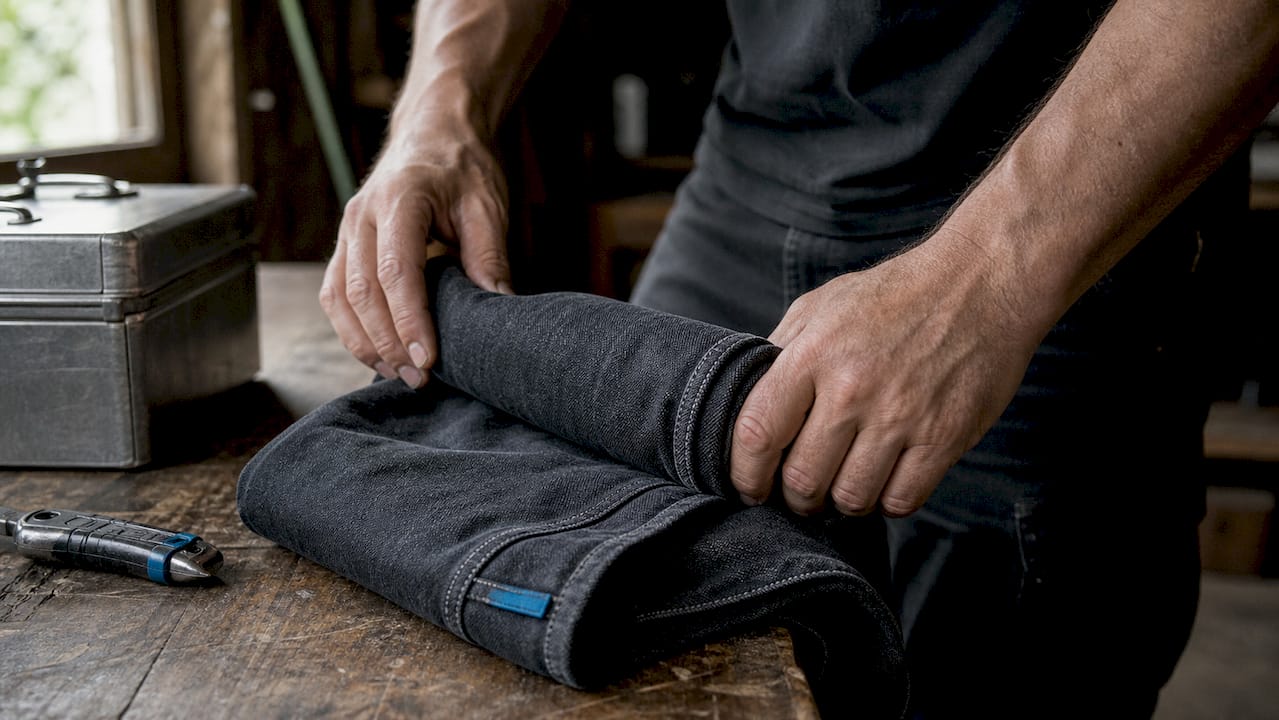
Regular fit dominates dress shirts, chinos, and classic denim. It’s the standard cut for most business casual and everyday office wear. Straight-leg jeans labeled “regular” typically have a mid-rise waist and a consistent leg width from hip to ankle.
Relaxed fit is the go-to for workwear brands built around physical labor and unrestricted movement. It also anchors streetwear and casual athletic apparel, where dropped shoulders and wider cuts are part of the aesthetic. Relaxed fit hoodies, tees, and joggers are staples for anyone who wants comfort without sacrificing style.
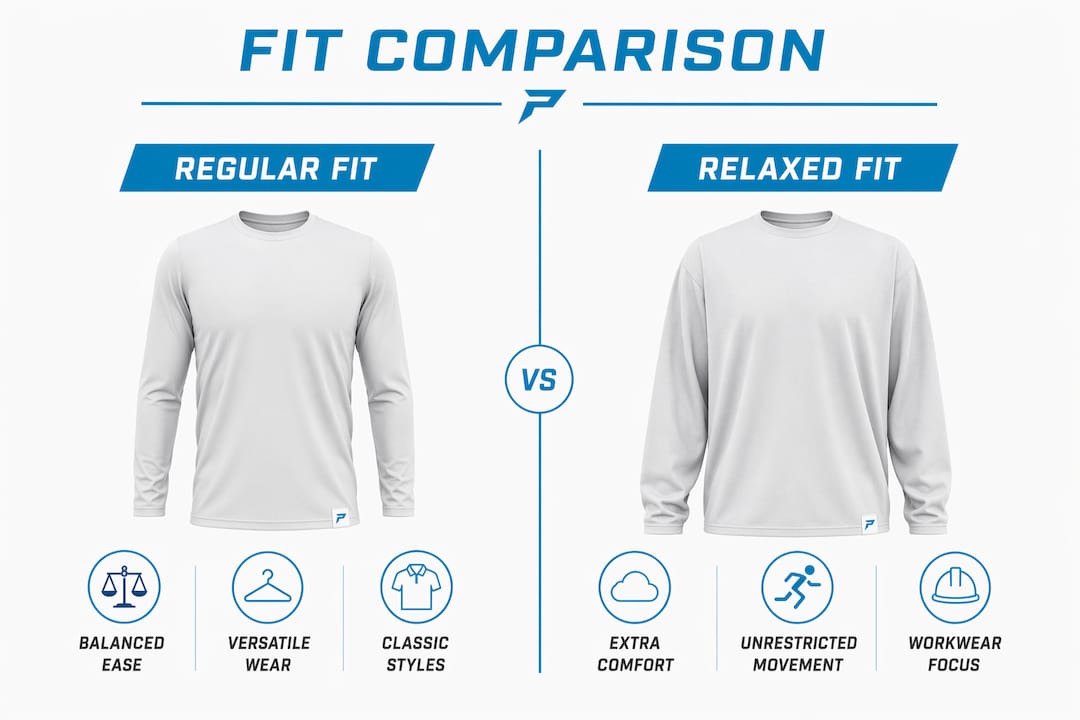
Classic fit sits close to relaxed in terms of ease and is sometimes used interchangeably with it, though classic fit tends to have a boxier cut through the chest and waist rather than a draped silhouette.
Expert insights on fit for comfort and style
Fit experts and apparel designers consistently point to a few truths that most size guides skip over.
- Fit is functional, not just aesthetic. Regular fit suits neat, professional looks; relaxed fit excels in comfort and airflow for active wear. Choosing based on where and how long you’ll wear something beats choosing based on appearance alone.
- Relaxed fit is a structured style choice. It shapes a flowing silhouette that’s distinct from oversized, maintaining structural integrity while adding comfort. The shoulder seams still sit where they should.
- Wardrobe versatility favors regular fit. Regular fit adapts well to various social contexts as a safe, do-it-all style, while relaxed fit is specialized for casual, comfort-oriented occasions.
- Dropped shoulders change more than comfort. That construction reduces tension across the upper back, but in heavier fabrics it adds bulk to the silhouette. Lightweight materials keep the relaxed fit looking clean.
- Breathability is a fabric conversation, not a fit conversation. The cut creates airflow opportunity; the fabric determines whether you actually feel it.
At Puckfuel, every tee, hoodie, and hat is cut with the hockey lifestyle in mind. Whether you want the clean lines of a regular fit or the easy movement of a relaxed cut, Puckfuel’s hockey apparel is built to wear proud, on the ice or off it.
Key Takeaways
Relaxed fit adds 6–8+ inches of fabric ease for comfort and mobility, while regular fit adds 4–6 inches for a balanced, structured silhouette.
| Point | Details |
|---|---|
| Ease is the core difference | Regular fit adds 4–6 inches of fabric ease; relaxed fit adds 6–8+ inches throughout the cut. |
| Dropped shoulders define relaxed fit | Relaxed garments use dropped shoulder construction to reduce tension and improve long-wear comfort. |
| Don’t size down in relaxed fit | Wearing your standard size preserves intended sleeve length and shoulder placement. |
| Fabric weight affects comfort more than fit | In heat, a lightweight regular fit can feel more breathable than a heavy relaxed fit. |
| Regular fit is the versatile default | It adapts to professional, casual, and social settings without looking wrong in any of them. |